
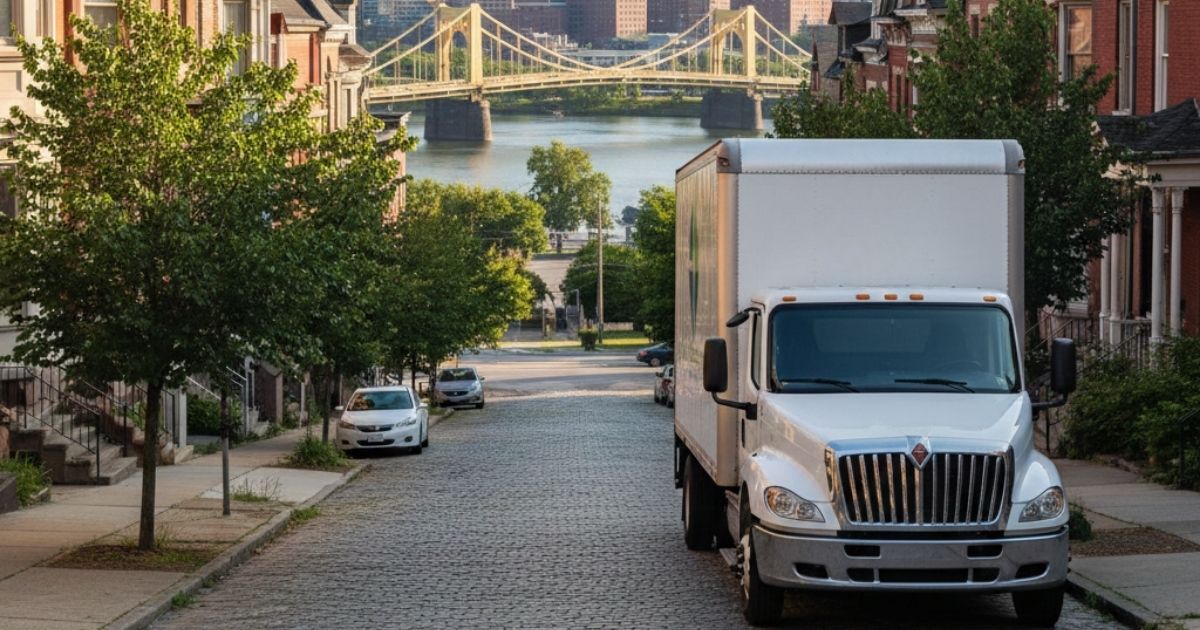
 Moving is expensive. There is no way around that reality. Whether you are shifting from Shadyside to Lawrenceville or leaving the Steel City entirely, the financial weight of a relocation can feel overwhelming. Most people start their search with a simple question: “What is a moving cost calculator Pittsburgh residents can actually trust?”
The truth is that automated tools give you a ballpark, but a real budget requires a look at the specific variables of Western Pennsylvania. Narrow streets, steep hills, and unpredictable weather all play a role in how much you’ll eventually pay. When planning, it’s vital to check local moving services in Pittsburgh to see how specific neighborhood logistics impact your bottom line.
A local move in Pittsburgh typically costs between $450 and $2,100, while long-distance relocations often start at $2,500. Exact pricing depends on home size, distance, and chosen moving services.
The Real Cost of Moving in Pittsburgh
When evaluating your expenses, you have to look beyond the truck. Most Pittsburgh moving companies calculate local costs using hourly labor rates, while interstate moves rely on shipment weight and total mileage. According to data from the Federal Motor Carrier Safety Administration (FMCSA), understanding whether your mover is using a binding or non-binding estimate is the first step in avoiding “sticker shock” on moving day.
Local vs. Long-Distance Pricing Factors
Pittsburgh movers generally calculate costs using two different methods depending on where you are going.
- Local Moves (Within 50 Miles)
For moves within Allegheny County, you are usually looking at hourly rates. This includes the time it takes to load the truck, drive to the new location, and unload. Most local crews consist of 2 to 4 movers. If you have a flight of stairs or a long walk from the curb to the front door, expect the clock to run a bit longer.
- Long-Distance Moves (Over 50 Miles)
If you are moving across state lines or to the other side of Pennsylvania, the math changes. These moves are typically based on the weight of your belongings and the total distance traveled. A moving cost calculator Pittsburgh tool for long-distance hauls will factor in fuel surcharges and transit insurance. It is often helpful to review our guide on long-distance movers to see how weight-based pricing is calculated.
Estimated Costs by Home Size
While every move is unique, we can look at averages based on the size of your residence. These figures represent the total cost for labor and transportation.
| Residence Size | Average Local Cost | Est. Packing Materials |
| Studio / 1 BR | $450 – $900 | $50 – $100 |
| 2 Bedroom Home | $900 – $1,600 | $100 – $250 |
| 3 Bedroom Home | $1,600 – $2,800 | $250 – $450 |
| 4+ Bedroom Home | $2,800+ | $500+ |
Note: These are estimates. A massive book collection or a heavy upright piano will naturally push these numbers higher.
Hidden Fees and Seasonal Variations
Why do some quotes look so much higher than others? It often comes down to the “extras” that people forget to include in their initial budget.
- Stair Fees: Pittsburgh is famous for its verticality. If your apartment is on the third floor of a walk-up in South Side, many movers will charge a flat fee per flight.
- Parking Permits: In neighborhoods like North Shore or Downtown, you might need a permit to park a large moving truck. Failing to get one could lead to a $100+ ticket.
- Storage-in-Transit: Sometimes your new home isn’t ready the moment you leave the old one. Holding your items in a secure warehouse for 48 hours is a common but additional expense.
Seasonality Matters
Actually, when you move is just as important as where you move. Moving in June or July—the peak of the season—can cost 20% to 30% more than a move in January. Industry reports from the American Moving & Storage Association confirm that summer is the most expensive time of year due to high demand. If you can handle the Pittsburgh slush, a winter move is the best way to keep your budget in check.
How to Reduce Your Pittsburgh Moving Budget
You don’t have to accept the highest price point. There are several ways to trim the fat from your moving bill without sacrificing the safety of your items.
Purge Before You Pack
This is the single most effective way to save money. If you haven’t used it in two years, don’t pay someone to move it. Host a garage sale or donate to a local Pittsburgh charity. Reducing your “inventory weight” directly lowers long-distance costs and saves hours of labor on local moves.
Source Free Boxes
Stop buying brand-new cardboard. Check with local liquor stores or grocery stores in the Strip District. They often have sturdy boxes they are happy to give away for free. If you’d rather leave it to the pros, consider hiring professional packing services to ensure your items are secured in the fewest number of boxes possible.
Be “Move Ready”
If you hired movers for an hourly rate, every minute they spend waiting for you to finish taping a box is money out of your pocket. Have everything stacked, labeled, and ready to go before the truck arrives.
Conclusion: Getting Your Final Quote
A moving cost calculator Pittsburgh guide is a great starting point, but it isn’t a binding contract. To get a price you can actually plan around, you need an on-site or virtual walkthrough. This allows experts to see the heavy furniture, the narrow hallways, and the specific logistics of your home.
Ready to see exactly what your move will cost? Don’t rely on guesswork. At Don Farr Moving, we provide transparent, detailed estimates tailored to the unique challenges of the Pittsburgh landscape.
Get a free, personalized moving quote from Don Farr Moving today